学习说明:上传的杂志 PDF 中该专题正文页在当前文件里无法正常读取,因此本页依据 Scientific American 官方网页版本核对文章结构;英文为面向高中生的精读改写,不是原文全文转载。
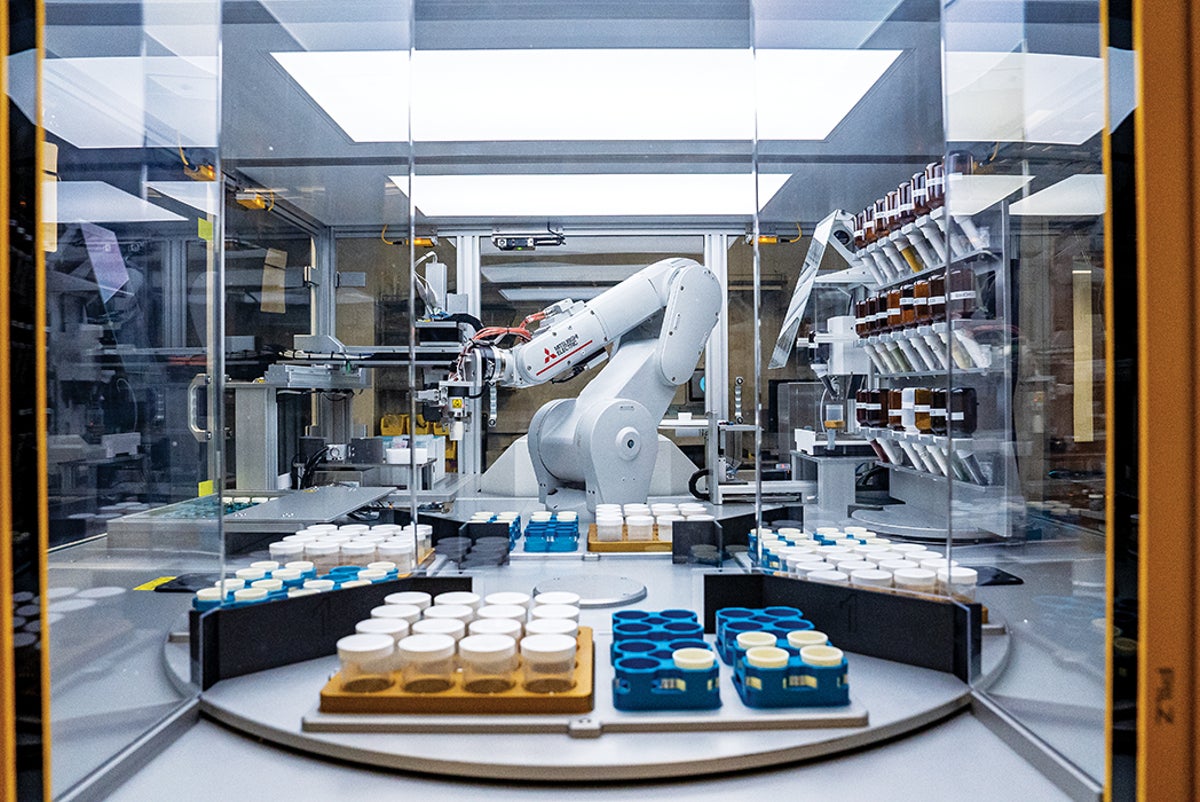
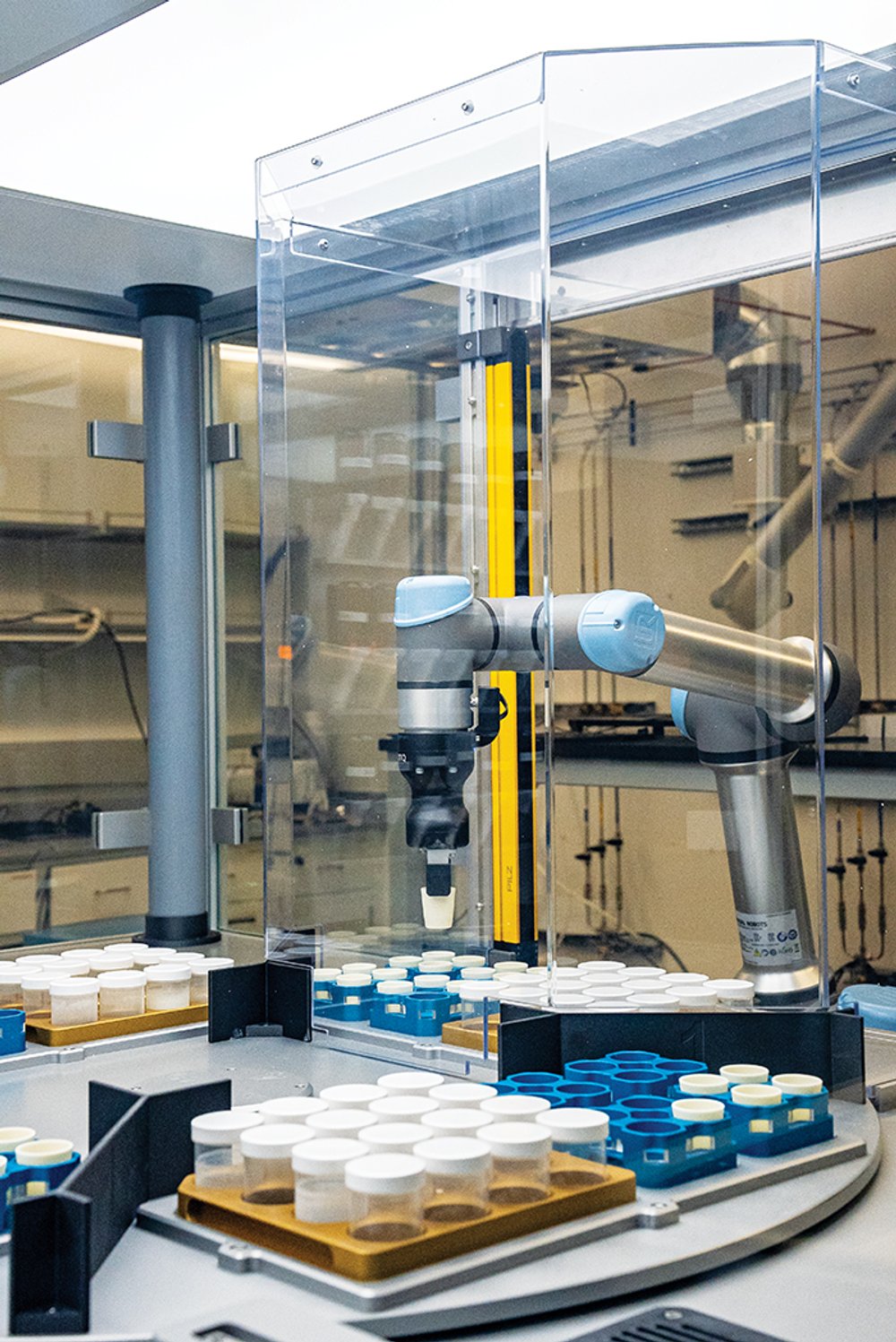
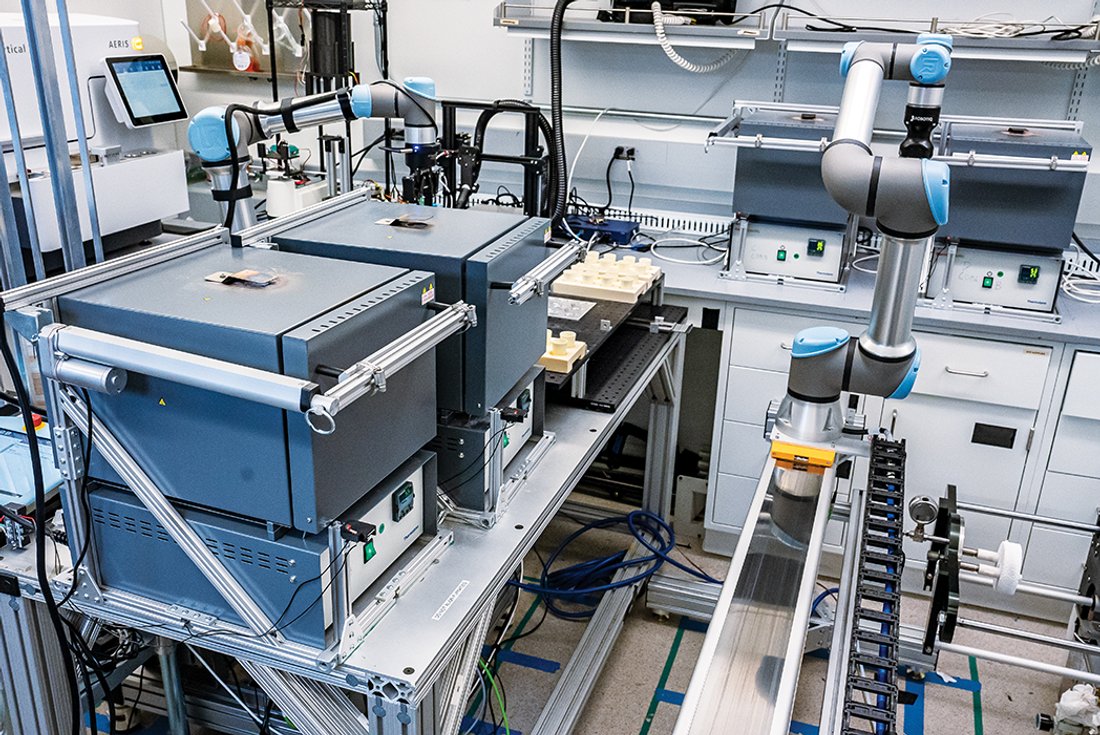
原文图片|Lawrence Berkeley National Laboratory 的 A-Lab:机器人与 AI 组合成可以在无人值守时继续运行实验的自动化科研系统。
English · Adapted Reading
中文 · 理解、词汇与阅读提示
01 · An autonomous lab
The laboratory keeps working after midnight
In Berkeley’s A-Lab, robots can run experiments around the clock. They move samples, heat materials and collect measurements. An AI system then interprets the results and proposes the next experiment. The goal is not only faster research, but also a deeper question: can AI learn to act like a scientist?
Faster science is not automatically better science
Autonomous labs can iterate far faster than individual researchers. But speed is not the same as reliability. Machines can generate huge amounts of experimental data, yet people still need to verify claims, judge whether a result is meaningful and decide whether an apparent discovery is truly new.
The modern autonomous lab combines robotics, scientific instruments, computing and machine learning. Each result can feed into the next run, creating a continuous research loop. Humans increasingly become the architects: they set the direction of inquiry, define goals and decide which questions are worth pursuing.
高考阅读提示AI 并不只是减少人力,而是在改变human role。命题时很可能用 “Researchers shift from operators to designers of the process” 进行同义改写。
04 · Scale and discovery
Automation makes previously impossible scale possible
In biotechnology and drug research, automated systems can test enormous numbers of samples and search for unexpected patterns. Lower robotics costs, stronger data pipelines and natural-language interfaces are making such systems easier to use. The promise is faster, cheaper discovery—but the payoff is still being tested.
Doing more experiments is not the same as having better ideas
Machines may become extremely competent at execution, but scientific breakthroughs also depend on insight. Better models require high-quality training data, careful hypotheses and human judgment. The future lab may work all night; scientists still have to decide what the results mean and what should happen next.
全文一句话AI and robots can accelerate experimentation, but faster execution does not remove the need for reliable data, verification and human scientific judgment.